
If you're wondering how to learn digital marketing, the short answer is this: start with a clear roadmap of what skills matter most, commit to hands-on practice, and stick with learning formats that teach by doing, not just watching.
Digital marketing is broad, and that can feel overwhelming. But breaking it down into core skill areas and tackling them in a logical order makes the whole thing manageable, even if you're starting from zero.
Understand the Core Skill Areas
Digital marketing isn't one skill. It's a collection of related skills you need to learn and practice. Knowing what they are helps you focus.
The main areas are:
- Search engine optimization (SEO). This is about helping people find your content or website when they search online. You learn how to write for search, structure web pages, and understand what people are looking for.
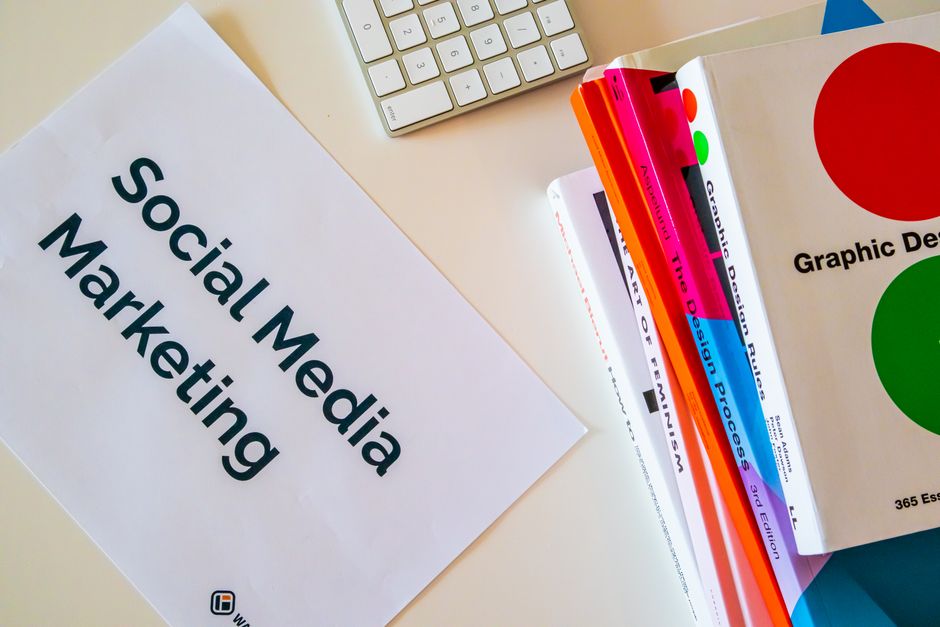
- Social media marketing. You learn how different platforms work, how to create content that resonates, and how to build an audience.
- Email marketing. You learn to build a list of interested people and communicate with them in ways that keep them engaged and interested in what you're offering.
- Advertising and paid promotions. You learn how to run ads on search engines and social platforms, target the right audience, and measure whether the ads are working.
You don't need to master all of these at once. But knowing they exist and what each one does will help you figure out where to start.
Create a Learning Roadmap Before You Start
Jumping into random courses without a plan wastes your time. Instead, sit down and sketch out what you want to learn and in what order.
Start by deciding: do you want to be a generalist who knows a little about everything, or do you want to go deep in one area? Both paths are valid, but they require different roadmaps.
A generalist approach means you learn the basics of SEO, social media, email, and ads so you can understand how they all fit together. A specialist approach means you pick one area (like social media or SEO) and become really skilled at it.
Related: What Is Email Marketing? A Beginner's Guide
Related: What Is a Landing Page? A Beginner's Guide
Write down the specific skills you want to build under each area. For example, under social media marketing, you might write: learn how to plan content, create captions, use hashtags, engage with followers, and measure results. This breakdown makes learning feel less like climbing a mountain and more like checking off steps on a list.
Choose Learning Methods That Include Hands-On Practice
Here's the truth: watching videos or reading articles alone won't make you good at digital marketing. You need to actually do it.
The best learning combines explanation with practice. Look for resources that give you a concept, then ask you to apply it right away to a real or realistic project.
For example, if you're learning SEO, a good learning resource won't just explain how keywords work. It will ask you to research actual keywords, write a page using them, and see what happens. That's how you build real skill.
Video training is useful, but it works best when it's paired with projects you do yourself. Reading written guides helps you reference ideas later. Podcasts can give you perspective. But none of these alone will make you competent at digital marketing. You need to do the work.
Also: be honest about the time commitment. Learning digital marketing well takes real, ongoing work. Plan for a significant time investment, not just a few hours of video watching on the weekend. The more you practice, the faster you'll develop real skill.
Learn From People With Real-World Experience
Not all teachers are equal. When you're looking for training or guidance, prioritize resources created by people who have actually done digital marketing work.
Someone who has built a real business, run actual ads, or grown a real audience has encountered real problems and solved them. Their lessons reflect what actually works, not just theory.
Look for teachers or resources that discuss what didn't work, not just wins. Real-world experience includes failure and learning from it. If everything sounds perfect, you're probably missing the full picture.
Also, avoid outdated content. Digital marketing changes. What worked five years ago might not work now. Make sure the resources you're learning from are current and reflect how things actually work today.
Build a Project-Based Learning Plan
The best way to learn digital marketing is to work on real or realistic projects. This is where theory becomes skill.
If you're learning SEO, pick a topic you care about and practice optimizing content for it. If you're learning social media, pick a niche and practice creating posts. If you're learning email marketing, start building a simple email list and practice writing emails.
You can practice with a side project, a hobby, or a small business idea. The point is to have something real to apply your knowledge to. You'll run into problems you wouldn't encounter just watching videos, and solving those problems is how you learn.
If you're serious about learning digital marketing as part of building an online business, Faks Consulting offers a structured program with on-demand training, hands-on projects, and access to mentors who can guide your learning.
Ready to begin something new?
Learn More →Combine Multiple Learning Formats
Different people learn in different ways, and different formats work for different skills.
Video training is great for visual learners and for seeing examples in action. Written guides are useful for reference and for people who learn by reading. Live discussions or coaching can help you get unstuck on specific problems. Podcasts can teach you while you do other things.
Use all of them. Watch a video to learn a concept. Read a guide to deepen your understanding. Join a discussion to ask questions. Practice on your own project. This mix reinforces what you're learning and helps it stick.
Specialize in an Area As You Progress

Once you understand the basics of digital marketing and have done some hands-on practice, consider going deeper in one or two areas.
Specialization is valuable. Instead of being mediocre at everything, you become strong at something. That's usually more useful when you're actually doing the work.
You might decide you really enjoy social media and want to become excellent at it. Or you might find that SEO fascinates you and you want to master it. Or you might discover that email marketing is your strength. Focus on one specialty and invest time in becoming truly skilled at it.
The foundation of basic knowledge across all areas is still useful. But depth in one or two areas is what makes you valuable and competent.
Practice Measuring and Improving
Digital marketing is measurable. You can see what's working and what's not. Use that to your advantage.
As you practice, learn to track results. How many people visited your content? Did they stay and read? Did they take action? What changed when you adjusted something?
This isn't about making money or getting rich quick. It's about understanding cause and effect. When you change a headline, does engagement change? When you post at a different time, does reach change? This feedback loop is one of the best teachers you have.
Learn to read and understand basic analytics. You don't need to become a data scientist. But understanding what the numbers mean and what they tell you about how people respond to your work is essential to getting better.
Find a Support System
Learning alone can be tough. It's easy to get stuck, confused, or discouraged. Finding people to learn alongside, ask questions of, or get feedback from makes a real difference.
This might be a group of people also learning digital marketing, mentors who have more experience, or a coach who can guide you. Good support can help you avoid common mistakes, get unstuck faster, and stay motivated when learning gets hard.
If you want structured training with built-in support, Faks Consulting includes access to mentors and coaches who can answer your questions and help you learn.
Stay Current and Keep Learning
Digital marketing evolves. Platforms change, tools update, and what people respond to shifts over time.
Once you've learned the fundamentals, stay curious. Keep learning. Follow people doing interesting work. Try new tools and platforms. Read about changes in the industry. Stay humble and remember that there's always more to learn.
This isn't a one-time project. It's an ongoing skill you'll build and refine over time. That's what makes it interesting, and it's also what keeps your knowledge relevant.
Start Small and Build From There
You don't need to know everything before you start. You don't need the perfect plan or the most expensive course.
Pick one core skill area. Find good learning resources for it. Start practicing. Build from there. As you gain confidence and skill, add more areas and go deeper.
Digital marketing is learnable. It just takes real work, commitment, and practice. If you're ready to start building an online business and want structured training combined with hands-on support, Faks Consulting can introduce you to what's possible and guide your learning path.
What's the fastest way to learn digital marketing?
There's no shortcut to real skill. The fastest way is to combine good teaching with regular, focused practice on real projects. Expect this to take sustained effort over weeks and months, not days. Shortcuts usually leave gaps in your knowledge that catch up with you later.
Do I need a degree to learn digital marketing?
No. Digital marketing skills are learned through training and practice, not degrees. You can learn from online resources, courses, coaching, and hands-on projects. What matters is your ability to do the work and get results, not credentials.
Which digital marketing skill should I learn first?
Start with the skill that connects to what you want to do. If you're building a website, learn SEO. If you're building an audience on social media, learn social media marketing. If you have an email list, learn email marketing. Pick what makes sense for your project, not what's trendy.
How long does it take to get good at digital marketing?
It depends on how much time you invest and how deep you want to go. You can learn the basics and become useful in a few months of regular practice. Becoming truly skilled at one specialty usually takes longer and requires ongoing learning. As with any business skill, results will vary based on your effort, the quality of your learning, and your ability to apply what you learn.
Ready to begin something new?
Learn More →